
Should I Renovate Before Selling My Home?
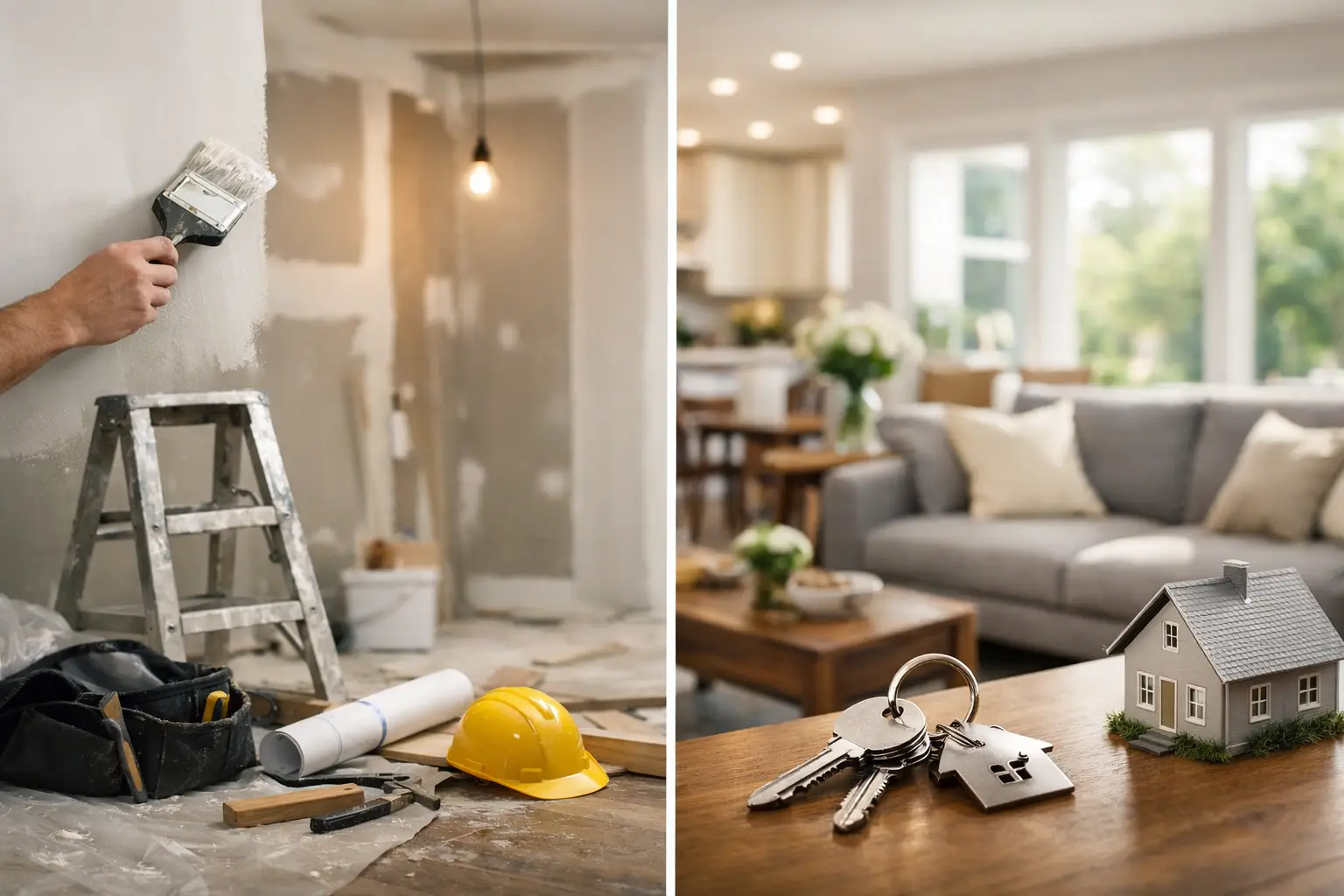
A seller in San Diego may look at an older kitchen, worn carpet, or dated bathroom and immediately ask, should I renovate before selling? It is a reasonable question, but the best answer is rarely a blanket yes. The right improvements depend on your home's condition, the buyers competing in your price range, the neighborhood standard, and the amount of time and money you are prepared to invest before listing.
A renovation should make your home easier to sell, not become an expensive project with an uncertain payoff. Before selecting tile, paint colors, or appliances, start with the market and a clear plan.
Should I Renovate Before Selling? Start With the Local Competition
Buyers do not evaluate a home in isolation. They compare it with other available homes, recent sales, and their expectations for the price. A home in a highly updated neighborhood may need more preparation to compete than a similar home where buyers expect to personalize after closing.
For example, a move-in-ready property in Carlsbad, Encinitas, or La Mesa may attract buyers who are willing to pay for convenience and want to avoid projects. In that setting, visible deferred maintenance or an especially dated kitchen can make a listing feel less competitive. In another market segment, buyers may be looking for a larger lot, a particular school area, or a location near work and may accept cosmetic updates in exchange for the right home.
The key question is not, "Will this renovation look better?" Nearly every renovation will. Ask instead: "Will this change the buyer's perception enough to improve my sale price, reduce days on market, or prevent a difficult negotiation?"
A local pricing and condition review can identify where your home sits among active and recently sold properties. That comparison helps separate improvements buyers truly value from upgrades that are unlikely to be recovered at closing.
Fix Problems Before Funding Projects
Most sellers should address material defects before considering a major cosmetic renovation. Buyers may overlook an older vanity. They are far less comfortable with a leaking roof, evidence of moisture, an unreliable HVAC system, damaged stucco, or electrical concerns.
These issues can affect inspections, appraisals, financing, and buyer confidence. Even when a buyer still wants the property, visible problems often lead to repair requests, price reductions, or hesitation during escrow. Correcting them before listing can make the transaction more predictable.
Focus first on items that affect safety, function, and first impressions. A clean roofline, working doors and windows, secure handrails, repaired plumbing leaks, and properly functioning major systems tell buyers that the property has been cared for. Keep invoices, warranties, and service records available. Documentation does not replace an inspection, but it gives buyers useful context and can support a smoother conversation when questions arise.
Cosmetic work comes next. Fresh neutral paint, repaired drywall, updated light fixtures, refreshed landscaping, and professional cleaning often produce a noticeable improvement without the cost or delay of a full remodel. These are not glamorous projects, but they help photos perform better and make showings feel more inviting.
Renovations That Often Help Sellers
The best pre-sale updates usually solve a clear buyer objection. They make the home feel cleaner, brighter, more functional, or better maintained. In many cases, modest improvements have more impact than an extensive remodel.
A kitchen can be a good example. If cabinets are sound but look tired, painting or refinishing them, replacing dated hardware, improving lighting, and updating a worn countertop may be enough. A full kitchen renovation can cost significantly more and may reflect your personal taste rather than the preferences of the eventual buyer.
Bathrooms follow a similar pattern. Regrouting tile, replacing a damaged vanity, upgrading mirrors and lighting, repairing caulk, and using a clean, consistent finish can improve presentation. A complete bathroom overhaul may make sense only when the current room is in poor condition or clearly below the standard of comparable homes.
Outdoor presentation also matters in Southern California. Buyers often notice curb appeal and usable exterior space before they see every interior detail. Trimming overgrown landscaping, removing clutter, cleaning hardscape, refreshing the front entry, and making a patio or yard feel functional can strengthen the first impression. The goal is not to create an elaborate landscape design. It is to show that the property is cared for and easy to enjoy.
When a Major Remodel May Not Pay Off
A large renovation can be the wrong move when it uses a substantial portion of your expected sale proceeds, delays your listing during an active market, or raises your home's finish level far above nearby comparable properties. Overimproving is real. Buyers may appreciate premium materials, but the neighborhood and price bracket still influence what they are willing to pay.
There is also the taste factor. A seller may spend heavily on a dramatic backsplash, bold cabinetry, or luxury fixtures only to find that buyers would have chosen something else. Broadly appealing, neutral updates usually carry less risk than highly personalized design decisions.
Timing matters as well. A three-month remodel can bring permit delays, contractor scheduling issues, and unexpected costs. If your goal is to relocate, buy another home, or sell on a defined schedule, a shorter preparation plan may be more valuable than a project that looks impressive on paper.
In some situations, selling as-is is the practical choice. This can make sense for a property needing extensive work, an inherited home, a seller with limited funds, or a home likely to appeal to investors and renovation-minded buyers. Selling as-is does not mean hiding defects. Sellers still need to provide required disclosures and be straightforward about known conditions. It simply means pricing and marketing the home with its current condition in mind rather than completing repairs first.
Use a Simple Return-on-Investment Test
Before approving any work, estimate the full cost, including materials, labor, permits, temporary housing if needed, carrying costs, and a contingency for surprises. Then compare that total with the likely benefit.
The benefit may be a higher price, but it can also be fewer concessions, stronger early interest, better listing photos, or a faster sale. Those outcomes have value, especially if you are coordinating the purchase of your next home.
A useful test is whether the project addresses a problem buyers will notice immediately. Replacing stained carpet, repainting a dark interior, repairing a broken fence, or removing an outdated popcorn ceiling may directly improve buyer response. Installing top-tier appliances in a home where comparable listings have standard appliances may not.
Avoid relying on a generic national return-on-investment figure alone. Construction costs, buyer expectations, inventory levels, and neighborhood price points vary. A project that makes sense in one ZIP code may not make sense a few miles away.
Build a Pre-Listing Plan Around Your Timeline
The most effective preparation plan is usually phased. Start with a walkthrough to identify repair issues, presentation concerns, and improvements that are likely to matter for your buyer pool. From there, prioritize the work that protects value and improves marketability first.
If you have several months before selling, you may have room for targeted upgrades and contractor bids. If you need to list within a few weeks, focus on cleaning, decluttering, paint touch-ups, minor repairs, landscaping, and staging. A well-prepared home does not have to be fully renovated to show well.
Staging is especially useful when a home's layout or room function is unclear. It can help buyers see how a small bedroom works as an office, how a dining area can be used, or how an outdoor space fits daily life. Professional photography, accurate pricing, and thoughtful preparation often work together better than one costly renovation.
Make the Decision Before Emotions Take Over
Sellers often renovate because they wish they had made changes while living in the home. That feeling is understandable, but a pre-sale investment should be based on the next buyer's needs, not on what would have made the home more enjoyable for you years ago.
Before you spend, review your home's condition against the local competition, define a realistic budget, and identify the few changes most likely to remove buyer objections. A focused plan can protect your equity without turning your sale into a construction project. The right next step is a candid pre-listing conversation that gives you a clear recommendation for your home, your neighborhood, and your timeline.
Categories
Recent Posts