
Closing Costs for Buyers and What to Budget
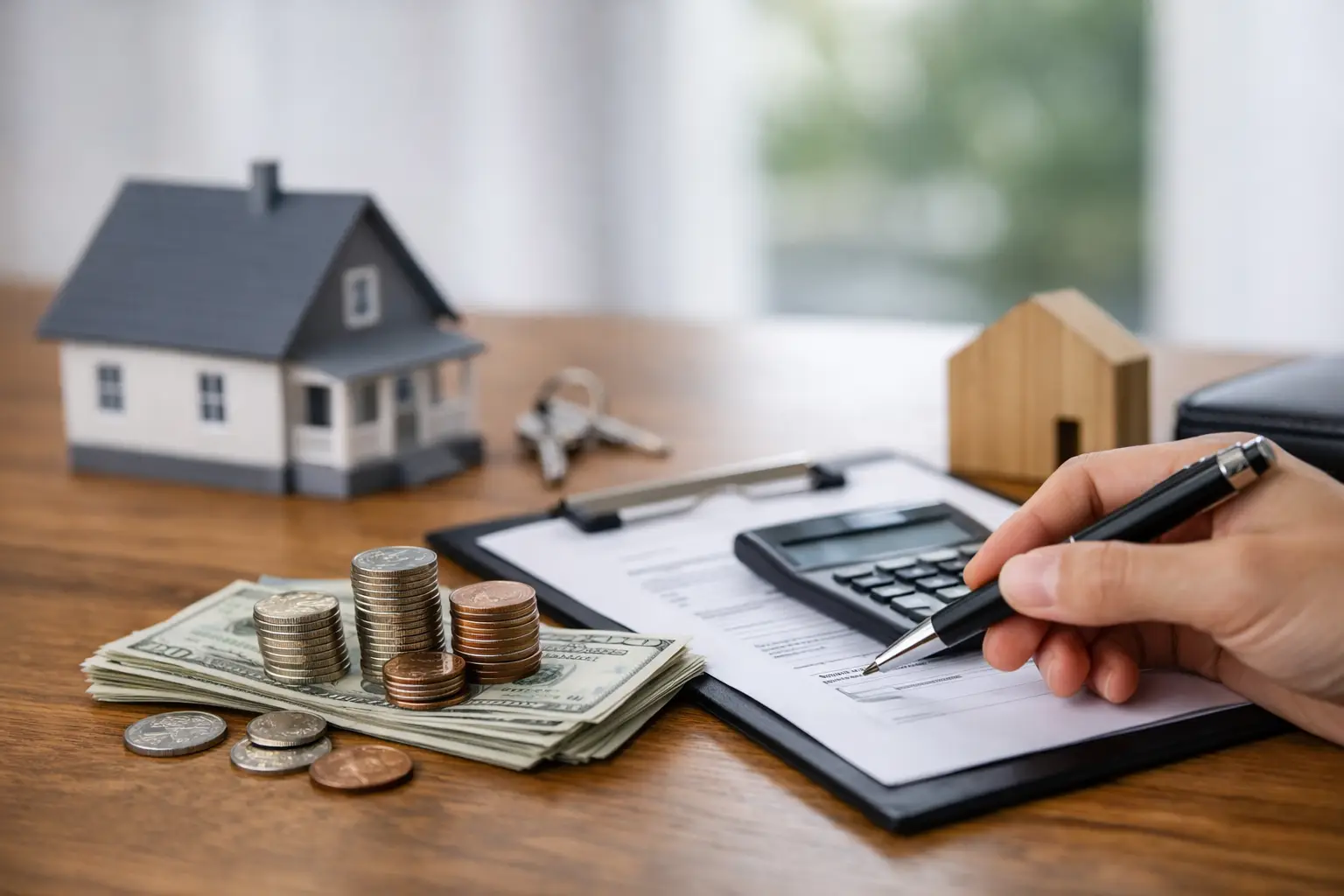
The number on your accepted offer is not the final number you need to bring to closing. Closing costs for buyers are the services, lender charges, prepaid items, and transaction expenses required to complete a home purchase. They can affect how much cash you need well before move-in day, so they deserve the same attention as your down payment and monthly mortgage payment.
For most buyers, closing costs typically fall between 2% and 5% of the purchase price. The actual amount depends on the loan program, purchase price, location, property type, timing, and the terms negotiated in the offer. In a competitive market, understanding those costs early helps you make a stronger offer without stretching your budget too far.
What Are Closing Costs for Buyers?
Closing costs are paid to the companies and professionals who help verify, insure, fund, record, and finalize a real estate transaction. Some are charged by your lender. Others come from the title company, local government, insurance provider, or third-party vendors such as appraisers and inspectors.
They are separate from your down payment. If you are buying a $700,000 home with 10% down, your down payment is $70,000. Your closing costs are additional expenses, although seller credits or lender credits may reduce the amount you pay out of pocket.
The exact breakdown will appear on your Loan Estimate after you apply for financing and later on your Closing Disclosure. These documents are more useful than broad online averages because they reflect the details of your specific loan and purchase.
The Main Costs Buyers Can Expect
Lender and loan-related fees
Your lender may charge fees for processing, underwriting, credit reports, document preparation, and other loan administration. Depending on the loan, you may also see a charge for discount points. A discount point is an optional upfront fee paid to reduce the mortgage interest rate.
Buying points can make sense if you expect to keep the loan long enough for the monthly savings to exceed the upfront cost. It may not make sense if you plan to sell, refinance, or relocate within a few years. Ask your lender to show the break-even point in clear dollars and months before deciding.
An appraisal fee is also common for financed purchases. The lender uses the appraisal to confirm that the property value supports the loan amount. If the appraisal comes in below the contract price, you may need to renegotiate with the seller, bring in additional funds, adjust the loan, or step away if your contract includes the appropriate contingency.
Title, escrow, and recording charges
A title company researches the property’s ownership history and helps identify liens, unpaid claims, or other issues that could affect ownership. Buyers commonly purchase lender’s title insurance, which protects the lender. In many transactions, buyers also choose an owner’s title insurance policy to protect their ownership interest.
Escrow or settlement charges cover the coordination of funds, documents, signatures, and final disbursements. County recording fees are charged to record the deed and other required documents in the public record. In California, customs around who pays certain title and escrow charges can vary by county and local market practice, so do not assume a cost is assigned the same way in every transaction.
Prepaid expenses and escrow reserves
Some of the largest line items on a Closing Disclosure are not really fees. They are prepaid expenses required to set up your future payments.
For example, your lender may collect prepaid interest from the closing date through the end of that month. You may also pay the first year of homeowners insurance at closing. If your loan includes an escrow account, the lender may collect an initial reserve for property taxes and insurance so it can pay those bills when due.
This distinction matters. A $3,000 insurance payment or tax reserve can make your cash-to-close figure higher, but it is not money disappearing into the transaction. It is funding obligations connected to owning the home.
Inspections and property-specific costs
Home inspections are usually paid before closing, but they are still part of the total cost of buying. A general inspection may be followed by specialized inspections for sewer lines, roofing, mold, foundation concerns, pests, pools, or solar equipment. Not every home needs every inspection, but skipping a recommended evaluation to save a few hundred dollars can create much larger risks later.
In parts of San Diego County, buyers may also encounter property-specific considerations such as wildfire exposure, septic systems, private roads, solar agreements, coastal conditions, or homeowners association documents. The right due diligence depends on the property, not a generic checklist.
What Is Negotiable in a Buyer’s Closing Costs?
Some closing expenses are fixed or largely outside anyone’s control, such as government recording fees and certain tax-related charges. Others can be negotiated, compared, or structured differently.
You may be able to request a seller credit toward allowable closing costs as part of your offer. This can be especially useful when you have enough funds for the down payment but want to preserve cash for repairs, furnishing the home, or an emergency reserve. Seller credits are limited by your loan type and cannot exceed actual eligible costs, so they need to be coordinated with your lender before the offer is written.
A credit is not always the best strategy. In a multiple-offer situation, a seller may prefer an offer with fewer financial concessions. You may choose to offer a higher price to help cover a credit, but the home still needs to appraise at the agreed value. Your agent can help weigh the strength of the offer against the cash you need to close.
Lenders can also offer credits in exchange for a higher interest rate. This may lower your upfront expenses, but it can increase the long-term cost of borrowing. The best choice depends on how long you expect to own the home, your monthly payment comfort level, and your available cash.
How to Budget Before You Make an Offer
Start by separating three numbers: down payment, estimated closing costs, and post-closing reserves. Do not use every available dollar for the first two. New homeowners often face immediate expenses, whether that means changing locks, buying appliances, addressing inspection items, or simply covering a higher utility bill.
Before submitting an offer, ask your lender for a current estimate based on the price, loan type, projected closing date, and planned down payment. If you are comparing lenders, compare more than the advertised rate. Review the annual percentage rate, lender fees, points, credits, mortgage insurance, and cash-to-close estimate together.
Your real estate agent should also help you understand local norms and contract terms. A clean offer is not just about price. It should account for inspection timelines, appraisal protections, requested credits, and the realistic amount of cash you will need after negotiations are complete.
When Do Buyers Pay Closing Costs?
Some expenses are paid during the transaction. Inspection fees, appraisal fees, and earnest money are common examples. Earnest money is usually deposited shortly after contract acceptance and is generally credited toward your down payment or closing costs at settlement, provided the transaction closes.
Most remaining costs are paid at closing by wire transfer or cashier’s check, based on final instructions from the escrow or settlement company. Because wire fraud is a serious risk, always verify wiring instructions using a trusted phone number you independently confirm. Never rely solely on an emailed change to payment instructions.
Federal rules generally require borrowers to receive their Closing Disclosure at least three business days before closing. Review it carefully. Compare it with your Loan Estimate and ask about any charge you do not understand. A small change may be legitimate, particularly if the closing date changed or prepaid items were updated, but it should never be ignored.
A Better Way to Think About Cash to Close
The goal is not to predict every dollar perfectly months in advance. The goal is to avoid surprises and make decisions with enough room to adjust. A strong plan includes a reasonable closing-cost estimate, a cushion for property-specific inspections or repairs, and an honest discussion about whether seller or lender credits fit your situation.
Buying a home should feel exciting, not financially unclear. Before you write an offer, get a current loan estimate, review the local transaction costs, and build a cash-to-close plan that leaves you comfortable after you receive the keys.
Categories
Recent Posts