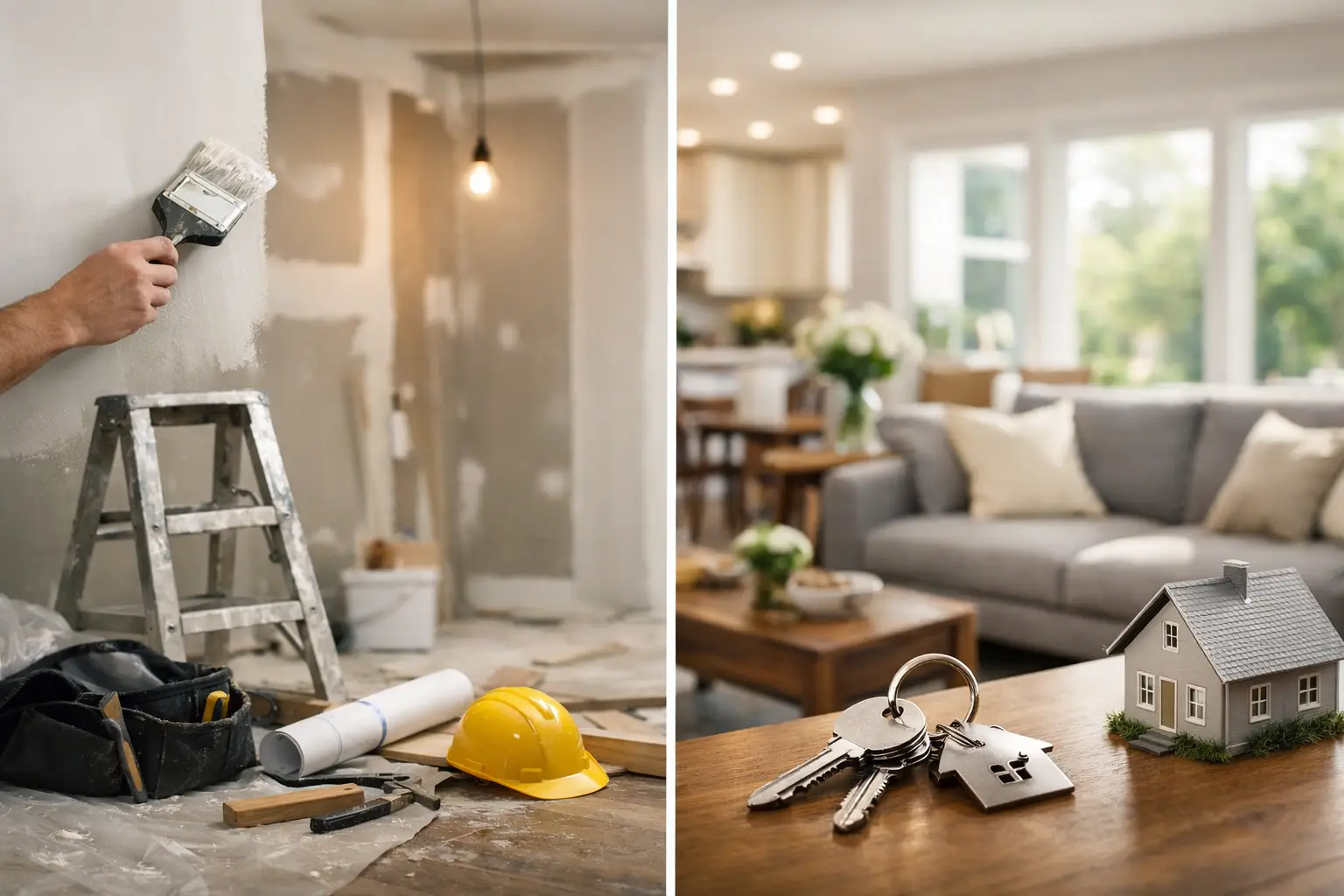
New Construction vs Resale Homes Compared
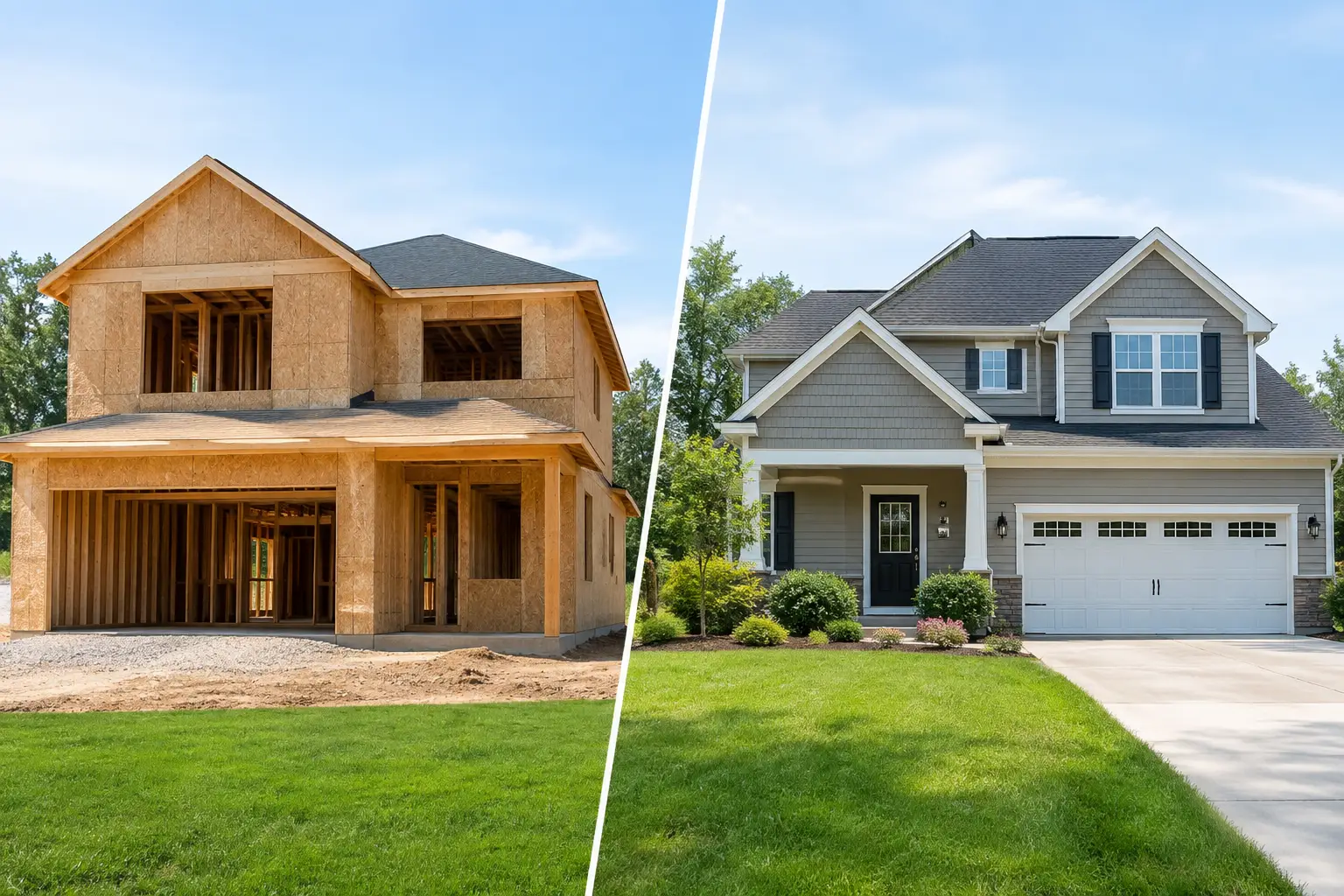
A model home can make the choice feel obvious. The kitchen is bright, the floors are untouched, and every room has been arranged to show its best side. But new construction vs resale is not simply a choice between new finishes and an older home. It is a decision about budget certainty, location, timing, maintenance, and how much flexibility you want after closing.
For some buyers, a newly built home offers a cleaner start and fewer immediate projects. For others, a resale home delivers the established neighborhood, lot size, and move-in timeline that matter more than brand-new appliances. The right answer depends on your priorities and the details behind the advertised price.
New Construction vs Resale: Start With Your Priorities
Before comparing floor plans or scrolling through listings, decide what cannot be compromised. A buyer who needs to move within 45 days may have a different best option than a buyer who can wait six to 12 months for a home to be completed. A family focused on a walkable, established neighborhood may find more choices among resale homes, while a buyer who wants energy-efficient systems and minimal repairs may prefer new construction.
New construction is usually most appealing when you value predictability in a home's condition, contemporary design, and the ability to select finishes or upgrades. Resale often makes more sense when location, character, mature landscaping, larger lots, or immediate availability are at the top of the list.
The key is to compare homes at the same price range and with the same financing assumptions. A new home with a lower advertised base price is not automatically less expensive than a resale property with a higher asking price. The full cost picture matters.
The Real Cost of a New Home
A builder's base price is a starting point, not always the final number. Many communities display a well-designed model that includes premium flooring, upgraded cabinets, countertops, lighting, landscaping, and other features that are not included in the standard price. Those choices can add significantly to the purchase price.
Buyers should also ask what is included outside the front door. A new home may need window coverings, a refrigerator, backyard landscaping, fencing, ceiling fans, storage systems, or a patio after closing. In some developments, these are manageable projects. In others, they become a meaningful addition to the move-in budget.
There can also be financial benefits. Builders may offer closing-cost assistance, rate incentives, or design-center credits, particularly when using their preferred lender or title company. These offers can be valuable, but they should be evaluated against the loan terms, interest rate, fees, and comparable options from an independent lender. A credit is only helpful if the overall financing remains competitive.
In parts of San Diego County, buyers of newer communities should also review property taxes and special assessments carefully. Mello-Roos or community facilities district assessments can affect the monthly payment and should be included in any affordability calculation. Homeowners association dues, which may cover amenities or common-area maintenance, deserve the same attention.
Resale Costs Can Be More Visible, but Not Always Lower
With a resale home, buyers can see the existing finishes, yard, appliances, and neighborhood rather than estimating what they will cost later. There may be fewer post-closing purchases needed to make the home functional. However, older systems can introduce expenses that a new home does not have right away.
A roof nearing the end of its life, aging HVAC equipment, outdated electrical panels, drainage concerns, or deferred maintenance can change the financial picture quickly. This is why inspections matter. A thorough inspection does not mean every issue must stop the purchase. It gives you a clear view of what you are buying, what may need attention soon, and what can be addressed over time.
Depending on the market and contract terms, a resale buyer may be able to negotiate for repairs, credits, or a price adjustment. That flexibility is one of the strongest advantages of resale, although it is never guaranteed in a competitive situation.
Location, Lots, and Neighborhood Feel
New construction is often built where land is available, which can mean newer planned communities, growing suburbs, or areas farther from established job centers and coastal neighborhoods. That may be a great fit if you want newer roads, parks, community amenities, and homes built to current standards.
Resale properties frequently offer access to neighborhoods that are already developed. Buyers may find mature trees, established schools, nearby restaurants, shorter commutes, and a stronger sense of how the area functions day to day. A resale home can also provide a larger lot or more privacy than a newer home at a similar price point, though that varies widely by community.
Neither option wins automatically. A new home in a community that supports your lifestyle can be more valuable to you than an older home in a highly established area. Still, it is wise to visit at different times of day, check traffic patterns, and consider planned development nearby. Buying the house is only part of the decision. You are also buying the daily experience of the location.
Timing and the Purchase Process
A completed new construction home can sometimes close quickly, much like a resale transaction. A home that is still being built requires more patience. Construction timelines can shift because of permitting, weather, labor availability, inspections, or material delays. If your current lease, relocation date, or home sale creates a firm deadline, ask for a realistic completion range and understand what happens if the date moves.
The builder contract is another important distinction. Builder agreements are generally written to protect the builder and may give the buyer less room to negotiate than a typical resale contract. Deposit schedules, upgrade selections, financing deadlines, and cancellation provisions should be reviewed carefully before you commit.
With resale, timing is often more straightforward because the home already exists. You can inspect the actual property, negotiate a closing date with the seller, and plan your move around a known schedule. However, resale transactions can still encounter appraisal issues, inspection negotiations, title concerns, or seller-related delays.
Do Not Skip Representation With a Builder
The sales representative at a new-home community is knowledgeable about the development, but that person represents the builder's interests. Having your own real estate agent gives you a professional focused on your side of the transaction, from comparing communities and reviewing comparable sales to tracking deadlines and identifying questions before signing.
Independent inspections are equally worthwhile, even on a brand-new home. Municipal inspections and builder quality-control processes serve important roles, but a buyer's inspector provides another set of eyes. Many buyers schedule an inspection before closing and, if practical, again near the end of the builder warranty period.
Warranties, Maintenance, and Future Resale Value
New construction commonly includes builder warranties covering workmanship, systems, and structural components for different periods. Read the warranty closely. Know what is covered, what is excluded, how claims are submitted, and whether regular maintenance is required to preserve coverage. A warranty can reduce uncertainty, but it does not eliminate the need to care for the home.
A resale home may not include a builder warranty, but its condition is easier to observe over time. You can review disclosures, inspection findings, permits, and maintenance records when available. Some buyers prefer this history to the unknowns of a newly built property.
Future resale value comes back to fundamentals: location, layout, condition, lot, school preferences, local demand, and overall affordability. New homes can command attention for their modern features, but buyers should avoid over-improving with upgrades that exceed what the neighborhood is likely to support. Resale homes can appreciate well too, especially when they combine desirable locations with thoughtful updates.
A Practical Way to Compare Your Options
When you narrow the choice to a few homes, compare the monthly payment rather than the list price alone. Include principal and interest, property taxes, insurance, HOA dues, special assessments, expected utility costs, and likely immediate improvements. Then consider the nonfinancial factors: commute, usable space, outdoor area, completion date, and tolerance for projects.
A new home may be the better fit when you want modern construction, lower near-term maintenance, and a home tailored to your preferences. A resale home may be the better fit when you want an established location, more negotiating opportunity, or the confidence of seeing exactly what you will own before making an offer.
The best purchase is not the newest house or the one with the most upgrades. It is the home whose costs, condition, location, and timeline support the life you want to live after the keys are in your hand.
Categories
Recent Posts